Grip is a condition, not a promise
“High grip” is an incomplete design instruction. A surface behaves differently when it is dusty, damp, polished by use or contaminated by a cleaning product. Footwear and contact direction also matter. Instead of assigning a permanent quality to a material, ask suppliers for relevant test information, intended use conditions and clear maintenance instructions.
A sample board can support a conversation about texture and appearance, but it cannot represent the whole installation. Joints, local deflection, edge details and changes in level alter how a surface is encountered. Review those interfaces in drawings and prototypes, then arrange appropriate specialist assessment before opening.
Consistency matters because athletes form expectations across repeated attempts. An unnoticed change in finish may be more significant than a visible difference between two zones. Make repairs legible in the maintenance record and assess whether a repaired component needs to remain closed until its finish or fixing has been verified.
Compare assemblies, not favourites
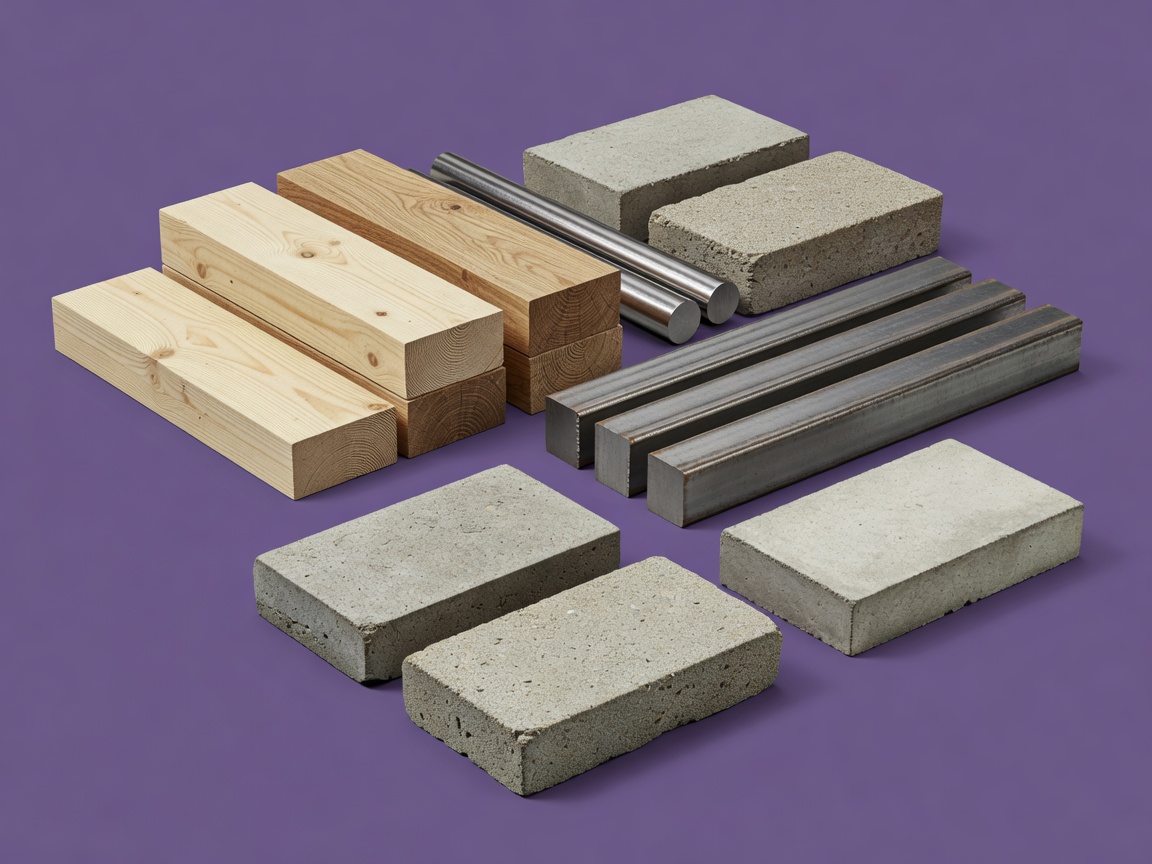
Timber, steel and concrete can all have a role in a purpose-built facility. None is inherently the correct answer for every location. The useful comparison includes substrate, connection design, exposure, replaceability and inspection access. The table below is a briefing aid, not a specification or ranking.
| Assembly | Potential contribution | Questions to resolve | Maintenance attention |
|---|---|---|---|
| Engineered timber construction | Adaptable fabrication and replaceable contact panels | Panel grade, moisture exposure, support spacing and edge detailing | Splintering, worn coatings, loose fixings and water damage |
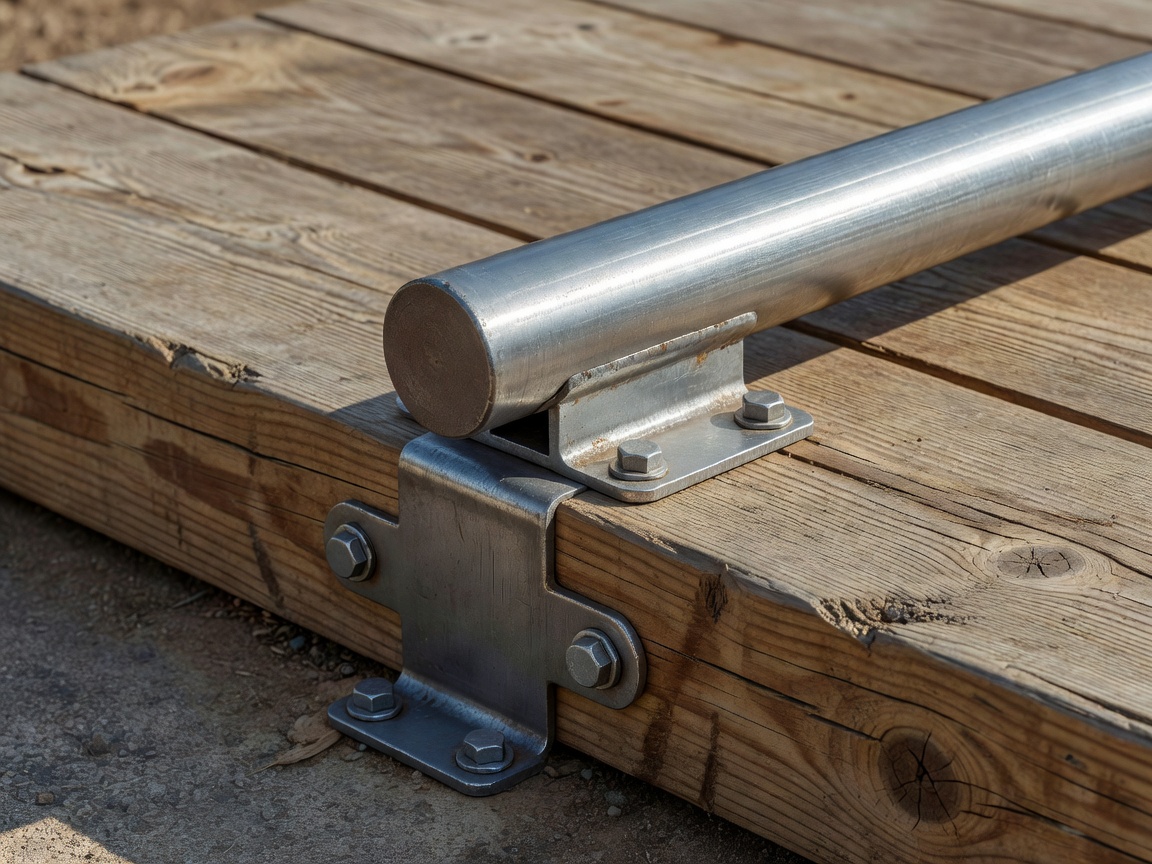
| Steel rail assembly | Slender connections and repeatable geometry | Weld quality, anchorage, finish and corrosion protection | Movement at connections, damaged coatings and corrosion |
| Concrete construction | Mass and durable permanent forms | Foundation design, finish, drainage and edge treatment | Cracking, spalling, contamination and drainage blockage |
| Sports flooring system | A specified floor response for intended activities | Compatibility with anchors, loading and cleaning regime | Joint condition, local wear, moisture and surface contamination |
Edges and connections carry the detail
Material selection is often discussed at the scale of a wall or rail. Performance problems frequently appear at a smaller scale: an exposed fastener, an opening that changes under load, a poorly supported edge or a connection that cannot be inspected without dismantling half the structure. Ask the designer how those details will be checked after installation.
Replaceable parts should have a controlled specification. An apparently equivalent panel or coating may change stiffness, surface condition or fire behaviour. Keep records of accepted materials and installation instructions so maintenance does not become a series of undocumented substitutions.
Consider sound and light as material relationships too. Reverberant surfaces can make instruction difficult to hear, while glare may conceal edge definition. Acoustic and lighting specialists can help assess the complete room. Painting everything a single dramatic colour is not a substitute for readable geometry.
Use standards within their scope
EN 16899 is a relevant starting reference for parkour equipment, but flooring and building systems may raise separate questions. EN 14904 concerns indoor surfaces for multi-sports use, while DIN 18032-2 addresses sports hall floors. Their applicability depends on the proposed system and intended use; neither title alone establishes suitability for a particular parkour installation.
EN 1176 concerns playground equipment and surfacing, and the EN 12572 series concerns artificial climbing structures. These neighbouring fields can be useful context, but their requirements must not be treated as interchangeable parkour approval. Ask a competent specialist to identify the appropriate framework and current editions.
Procurement should connect the specification to evidence: drawings, product information, relevant testing, installation records and maintenance requirements. Keep that evidence available to the operator. A sophisticated material choice loses value when the person checking it cannot tell what was installed.
Plan the cleaning cycle before opening
Agree compatible cleaning methods with the supplier and document when surfaces can return to use. Include drying, ventilation and access restrictions where relevant. Store cleaning equipment away from routes and avoid a regime that leaves residues on contact areas. Staff need a practical way to report unexpected slipperiness or damage immediately.
Finally, review life-cycle cost rather than purchase price alone. A finish that needs specialist renewal, or an assembly that requires a lengthy closure for a small repair, may be a poor operational fit. Choose details the facility can realistically inspect, maintain and replace.